
Introduction
We know, buying property especially in Singapore, is daunting and there’s so much paperwork going on: what should I look out for? What’s next? Where do I even start? Buying property in Singapore can be both exciting and overwhelming.
With a range of changing regulations every other day, it’s crucial to somewhat understand the buying journey. Whether you’re a local, a permanent resident, or a foreign investor, this guide breaks down everything you need to know to make informed decisions.
This is a very heavy topic, so I have outlined the summary so you can skip to the most relevant part of the process depending on where you are currently at.
Summary
- Understanding the Types of Properties in Singapore
- Eligibility Criteria for Buying Property in Singapore
- Key Costs Involved in Property Purchase
- Financing Your Property Purchase
- Step-by-Step Guide to Buying Property in Singapore
- Common Challenges and How to Overcome Them
- The Role of a Real Estate Agent
- Legal Aspects of Property Purchase
- Current Market Trends in Singapore Real Estate
- Sustainable Housing Options in Singapore
- Conclusion
1. Understanding the Types of Properties in Singapore
Singapore offers various property types, each catering to different needs and budgets.
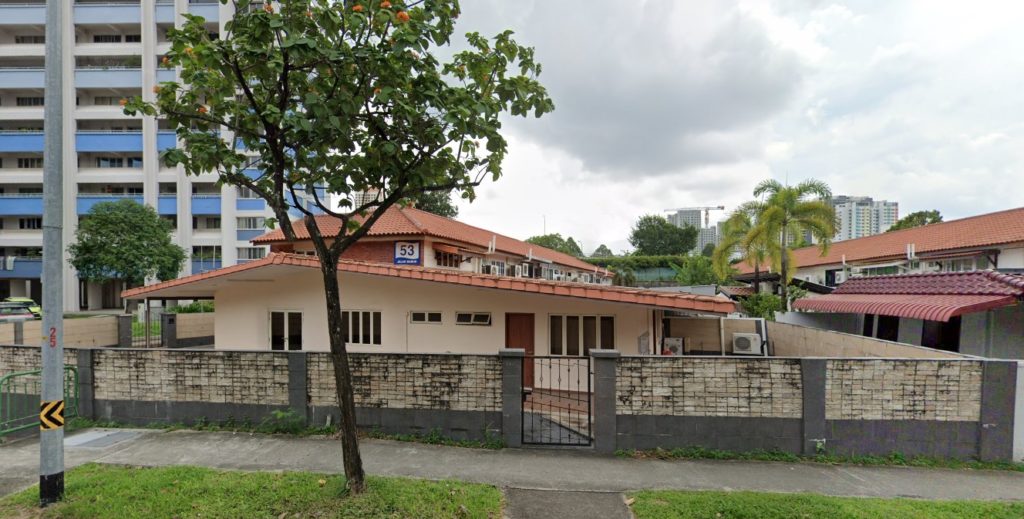
Public Housing (HDB Flats)
- Managed by the Housing and Development Board (HDB).
- Affordable and accessible for Singapore citizens and permanent residents.
- Limited resale market for foreign buyers.
Private Properties
- Condominiums: Offer amenities like pools and gyms.
- Landed Properties: Expensive and often limited to citizens.
- Executive Condominiums (ECs): A hybrid between public and private housing.
Commercial and Industrial Properties
- Non-residential options for business owners.
You have found a property you like! What’s next?
2. Eligibility Criteria for Buying Property in Singapore
The ability to purchase certain properties depends on your residency status.

For Singapore Citizens:
- Eligible for both public and private housing.
- Subsidies available for first-time HDB buyers.
For Permanent Residents (PRs):
- Can purchase resale HDB flats under specific conditions.
- Eligible to purchase private property.
For Foreigners:
- Generally limited to private properties.
- Landed properties require government approval.
HDB has a comprehensive page to guide you exactly if you are eligible to purchase a unit here. Once you have identify your status, let’s move on to the next concern.
3. Key Costs Involved in Property Purchase
Understanding the financial commitment is essential when buying property in Singapore.

Initial Costs
- Option to Purchase (OTP): Usually 1% of the property price.
- Booking Fee: 5% to 20% for new developments.
Taxes and Fees
- Buyer’s Stamp Duty (BSD): Based on property value.
- Additional Buyer’s Stamp Duty (ABSD): Applicable to PRs and foreigners.
Ongoing Costs
- Maintenance fees for condos.
- Property taxes based on annual value.
- Mortgage (Unless, you paid cash upfront).
4. Financing Your Property Purchase
Most buyers rely on a combination of savings and loans to fund their purchase. Generally, a big portion of that comes from HDB, or, the bank of your choice below:
Types of Loans
- HDB Loans: Low-interest rates for eligible citizens.
- Bank Loans: Flexible options for private property buyers.
There is also a need to determine the LTV Ratio:
Loan-to-Value (LTV) Ratio
- Determines the maximum loan amount you can secure.
- Up to 75% for first-time buyers, depending on financial standing.
Once you have gotten HDB Flat Eligibility (HFE) letter, or bank loan, you are now ready to BUY.
5. Step-by-Step Guide to Buying Property in Singapore
Whew, that was a lot of things to go through before buying a property. We are finally ready.

Step 1: Assess Your Budget
Use tools like a mortgage calculator to estimate your affordability.
Step 2: Research the Market
Review online property listings.
Attend open houses to compare options.
Step 3: Secure Financing
Obtain an Approval-in-Principle (AIP) from a bank or HDB.
Step 4: Make an Offer
Submit the OTP and pay the required deposit.
Step 5: Complete Legal Procedures
Engage a conveyancing lawyer to handle contracts.
Step 6: Finalize the Sale
Sign the Sales & Purchase Agreement.
Pay remaining fees and collect the keys.
6. Common Challenges and How to Overcome Them
High Initial Costs
Consider grants and subsidies for eligible buyers.
Limited Availability of Properties
Work with experienced agents to access exclusive listings.
Complex Regulations
Stay updated on policies from URA and HDB.
7. The Role of a Real Estate Agent
They are everywhere.
But, a good real estate agent can simplify your property purchase by:
- Offering insights on market trends.
- Handling negotiations on your behalf.
- Manage all your paperwork on your behalf.
- Providing access to exclusive listings. (Does your agent have other ways to get secret listings?)
8. Legal Aspects of Property Purchase
Familiarize yourself with essential legal requirements, and get your agent to guide you through this.

You don’t have to be an expert, but it is always important to know the surface:
- Legal documents like the OTP and S&P Agreement.
- Due diligence checks to ensure no encumbrances.
Let your agent handle the rest of the paperwork – you pay them for good reasons.
9. Current Market Trends in Singapore Real Estate
Stay informed about:
- Rising demand for integrated developments.
- Trends in suburban vs. central properties.
- Government cooling measures.
10. Sustainable Housing Options in Singapore
.With increasing focus on sustainability, explore eco-friendly developments:
- BCA Green Mark-certified properties.
- Smart homes with energy-saving features.
Conclusion
Buying property in Singapore is a significant decision requiring careful planning and understanding. By following this comprehensive guide, you’ll be well-equipped to navigate the complexities of the process and make the best choice for your needs.


