
Hooray, if you are looking at this post, it means that you are renting out your property/looking to rent a property, which means you are reaching the next milestone of your life. Congratulations! Renting property in Singapore can be an efficient way to secure a home or workspace without the commitment of ownership. Whether you’re a tenant seeking a rental or a landlord leasing your property, understanding the rental process is essential for smooth and lawful transactions. This comprehensive guide breaks down the process, from searching for properties to finalizing the lease agreement.
In this guide, you will learn the end-to-end process of how to rent a property, liabilities of all parties, and how to protect yourself in the rental process.
1. Types of Rental Properties in Singapore
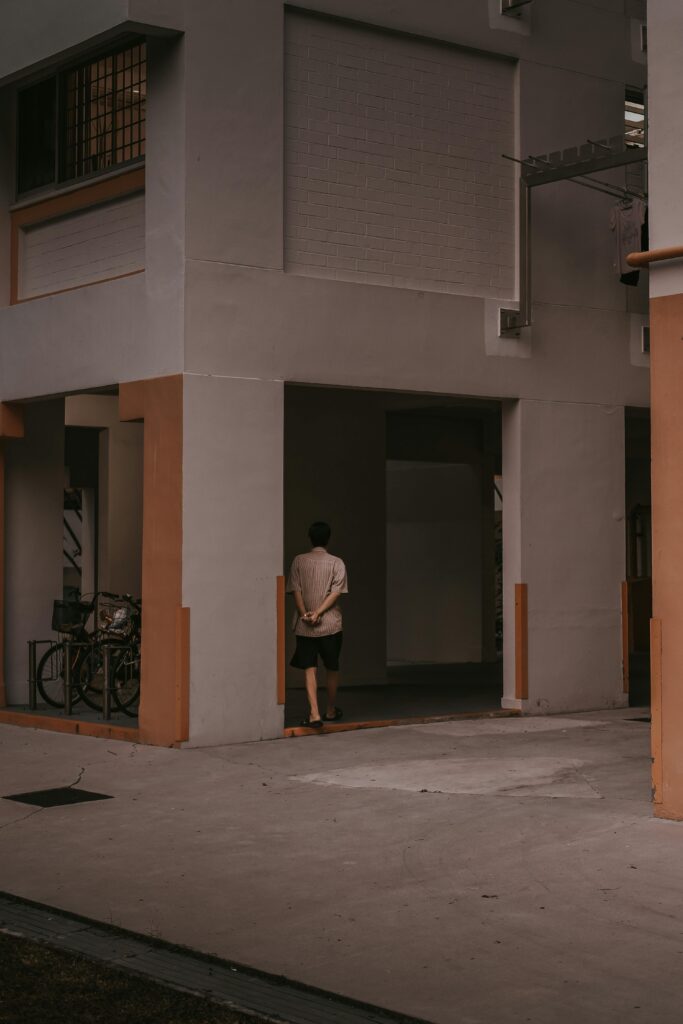
Residential Properties
- HDB Flats: Affordable housing for locals and eligible foreigners.
- Private Condominiums: Offer premium amenities and facilities.
- Landed Properties: Suitable for larger families or those seeking luxury living.
Commercial and Industrial Properties
- Office spaces, retail units, and warehouses for businesses.
2. Key Considerations Before Renting
For Tenants:
- Budget: Include rental amount, utilities, and deposit in your calculations
- Location: Proximity to work, schools, and amenities
- Lease Terms: Standard leases range from 12 to 24 months
For Landlords:
- Target Market: Decide whether to lease to locals expats, or businesses.
- Property Condition: Ensure the property is well-maintained.
- Rental Yield: Compare your asking rent with market rates
3. The Search Process for Rental Properties

For Tenants
- Use platforms like PropertyGuru, 99.co, and SRX for listings
- Engage a property agent to access these exclusive options
For Landlords
- List properties on popular portals
- Market your property through agents or social media.
4. Viewing and Shortlisting Properties
Scheduling Viewings
- Plan multiple viewings to compare options
- Visit during daylight to inspect property conditions.
Key Factors to Check
- Tenants: Look for water pressure, electrical works, and pest control.
- Landlords: Ensure the property is clean and presentable.
Shortlisting
Prioritize properties or tenants that meet your key criteria, such as budget, location, and suitability.
5. Negotiating Rental Terms

Common Negotiable Terms
- Monthly rental amount.
- Lease Duration.
- Furnishings and maintenance responsibilities.
Tips for successful negotiations
- Remain polite and professional.
- Back your requests with valid reasons, such as comparable market rates.
6. Understanding the Tenancy Agreement (TA)
Key Elements in the TA
- Rental amount and payment schedule.
- Security deposit terms (usually one month’s rent for a one-year lease).
- Maintenance responsibilities and restrictions (e.g., no pets).
Legal Binding
Both tenant and landlord must sign the TA, making it legally enforceable.
7. Cost Involved in Renting Properties in Singapore
For Tenants
- Security Deposit: Refundable, subject to property conditions.
- Stamp Duty: Applicable for leases exceeding four years.
- Monthly Rent: Paid in advance or as agreed in the TA.
For Landlords
- Agent Fees: Typically one month’s rent for a one-year lease.
- Maintenance Costs: Repairs and upkeep of property infrastructures.
8. Handover Process and Moving In
For Tenants
- Inspect the property thoroughly and document existing damages.
- Collect keys and access cards.
For Landlords
- Provide a clean and ready-to-move-in property.
- Conduct a detailed inventory handover.
9. Living in the Rented Property
Tenant Responsibilities
- Pay rent on time.
- Report maintenance issues promptly.
- Abide by the terms of the TA.
Landlord Responsibilities
- Address major repairs (e.g., plumbing and electrical issues).
- Ensure the property remains safe and habitable.
10. Ending the Tenancy
For Tenants
- Serve the required notice period
- Ensure the property is returned in its original condition.
For Landlords
- Conduct a final inspection.
- Return the security deposit, deducting any valid charges.
11. Resolving Disputes
Common Issues
- Security deposit disagreements.
- Delay rent payments.
Resolution Channels.
- Mediation through Small Claims Tribunals.
- Engage legal assistance if necessary.
Conclusion
The rental process in Singapore is straightforward with proper planning and understanding of legalities. Whether you’re renting your first home or managing a rental property, this guide equips you with the knowledge needed for a successful and hassle-free experience. By adhering to the tenancy agreement and maintaining open communication, both tenants and landlords can enjoy a mutually beneficial arrangement.


